About Purcell Finishing
Purcell builds cutting equipment for three different trades. This site covers one of them — the one that finishes print. Same factory, same engineering, a different customer and a different set of questions.
One factory, three trades, three sites
Phone-shop film cutting
Hydrogel and hardness film cutters sold to shops that apply screen protectors at the counter. Blade pressure, thin media, one device at a time.
retail
Print finishing
Label cutting, roll-to-roll converting, flatbed tables and plotters for print shops, converters and sign makers. This site.
production
Industrial cutting
Sheet parts cut from technical media, gaskets, foam and film on the same flatbed platforms, configured to the job.
parts
Why three sites instead of one catalogue: a phone-shop buyer and a label converter do not read the same page. They use different media, different blades and different software, and they judge a machine on different numbers. Splitting the lines keeps each page talking about one trade.
Built in Longgang since 2015
The company started in 2015 with an advertising plotter — a machine built for sign shops. That is the same lineage this site sells into: the cutting head, the pressure control and the contour workflow came from plotters, then moved to flatbeds and label lines as print shops moved to short runs and digital presses.
Board assembly, harness, calibration and final inspection happen in the same building in Longgang District, Shenzhen. Machines are not bought in and rebadged. That matters most after delivery: a configuration change goes to the people who built the machine, not to a trading office that has to ask someone else.
- Legal entity: Shenzhen Purcell Haina Technology Co., Ltd
- Six automatic SMT lines for control boards
- ISO-certified process, inspection at every stage
- CE and RoHS on the machines
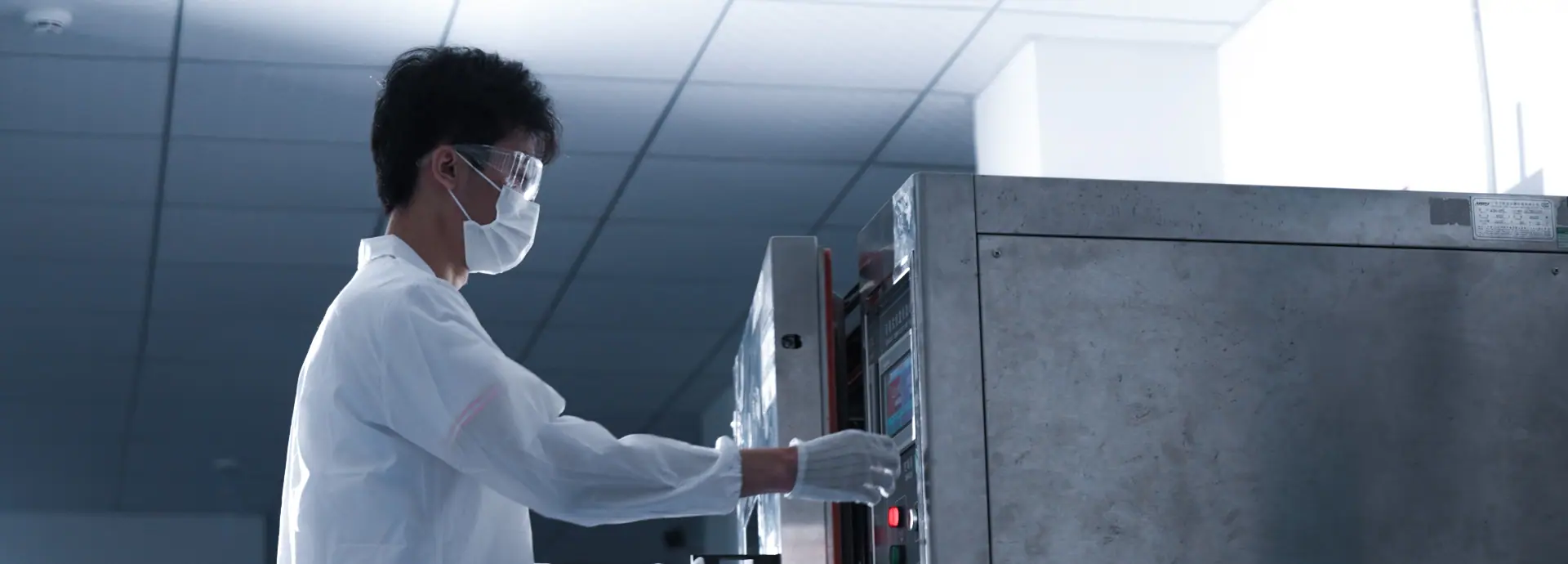
No order without a signed-off sample
Print finishing is decided by the media, not by the brochure. The same machine cuts a 400 gsm label stock cleanly and tears a soft film if the blade depth is wrong, so the configuration is proven on your material before anything is built.
- Artwork in
- Vector or PDF; contour and bleed checked first
- Setup
- Force, speed and blade depth set against your media, not a default profile
- Sample
- A physical sample is signed off before the run
- Quotation
- Written for one configuration, with a validity date
- If a page and a quotation disagree
- The quotation wins
That order of events is the reason we would rather send a test cut than quote a speed figure. Speeds and widths come from factory documentation for the model, and they are honest figures for the machine — they are not a promise about a particular job.
Own-brand programmes
Machines can be built on our platforms under your brand and your enclosure, under NDA. Because the frame, gantry and control cabinet are made here, a private-label build is a configuration of an existing line rather than a new machine from scratch.
This is one of three lines
Pages on this site describe print-finishing equipment only. The film-cutting lines have their own sites, because a page written for a label converter is the wrong page for a phone shop.
Send the job, not the model name
Describe the media and the finished part. A photo of the printed sheet is usually enough to pick the line and the blade set — and it is a better starting point than a model number chosen from a list.